Wardrobe Structure
Systematic organization principles for functional clothing collections. Building coherent systems that maximize versatility and maintain visual harmony.
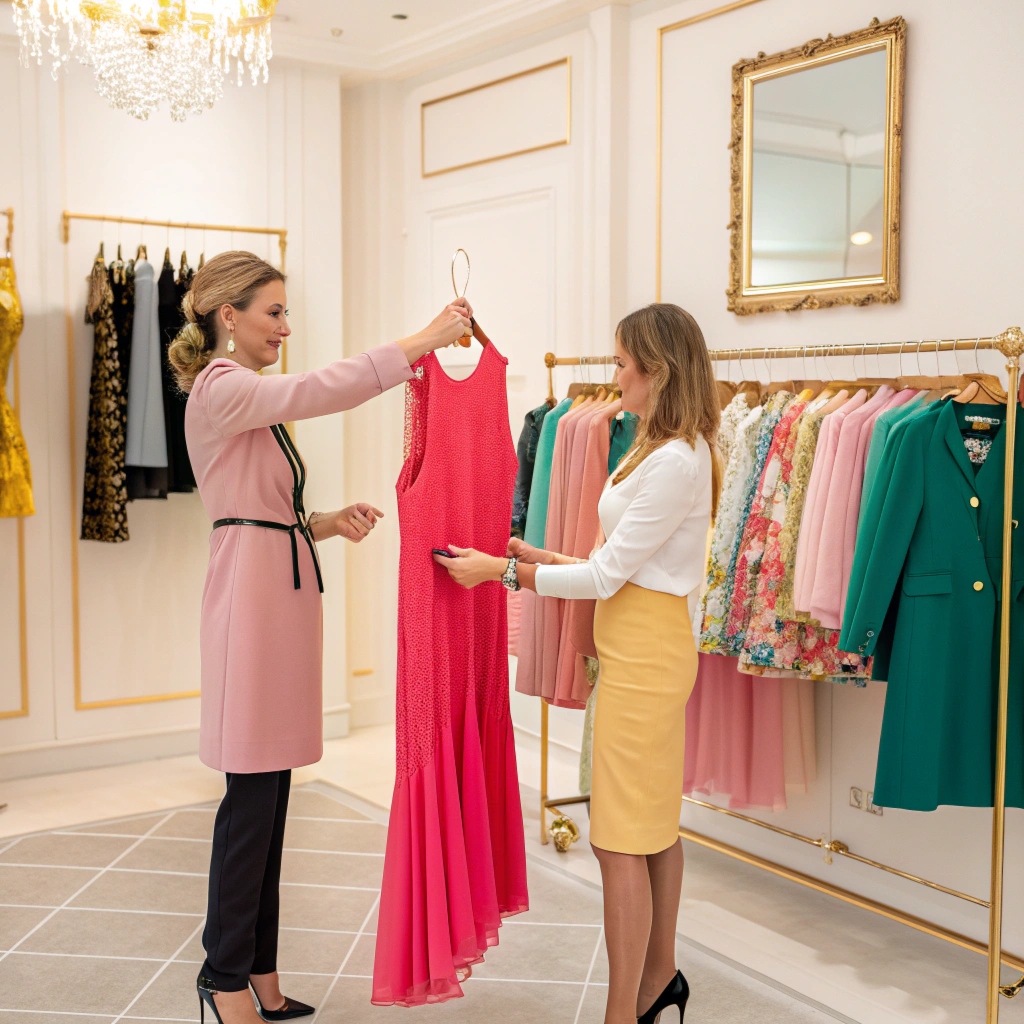
Foundation Layer
Core Essentials
- Basic garments for daily rotation
- Neutral color foundation pieces
- Versatile silhouettes for multiple contexts
- Quality construction for longevity
Professional Requirements
- Context-appropriate formal pieces
- Industry-specific styling considerations
- Meeting and presentation preparation
- Client-facing appearance standards
Coordination Layer
Color Relationships
- Primary palette establishment
- Accent color integration
- Seasonal transition planning
- Cross-seasonal compatibility
Texture and Pattern
- Fabric texture variety
- Pattern scale and placement
- Visual interest without excess
- Cohesive material language
Functional Categories
Daily Wear
- Comfort and practicality priority
- Easy maintenance requirements
- Multiple combination possibilities
- Durability considerations
Special Occasions
- Formal event preparation
- Seasonal celebration planning
- Travel wardrobe considerations
- Investment piece selection
Maintenance Systems
Care and Storage
- Proper garment storage methods
- Cleaning and maintenance schedules
- Seasonal rotation procedures
- Preservation of quality pieces
Inventory Management
- Regular wardrobe assessment
- Gap identification processes
- Replacement planning
- Systematic acquisition approach
Structural Principles
Wardrobe structure refers to the systematic organization of clothing into functional categories that support daily needs and special requirements. The structure is built on principles of versatility, coherence, and intentional selection.
Effective wardrobe structure allows for maximum combination possibilities while maintaining visual harmony. This requires understanding how pieces relate to each other across categories, seasons, and contexts.
Building Systematic Frameworks
Consultations establish frameworks for wardrobe development that clients can apply independently. These frameworks include guidelines for color coordination, proportion balance, and functional category management.
The goal is creating a system where new acquisitions integrate seamlessly with existing pieces, expanding combination possibilities without creating isolated items that require separate styling consideration.
Core Foundation
Essential pieces that form the basis of daily wear. These garments provide versatility and functionality across multiple contexts.
Seasonal Rotation
Systematic approach to transitioning between seasons. Understanding which pieces function across multiple seasons maximizes wardrobe efficiency.

Storage Systems
Proper garment storage maintains fabric integrity and extends garment life. Consultations include guidance on organization methods that support both preservation and accessibility.
Rotation Practices
Regular rotation of garments ensures even wear distribution and prevents overuse of favorite pieces. Systematic rotation supports wardrobe longevity and variety.
Assessment Cycles
Periodic wardrobe evaluation identifies pieces requiring replacement, gaps needing attention, and opportunities for strategic additions. Regular assessment maintains wardrobe coherence.