Personal Image Planning
Understanding how clothing functions within specific contexts. Developing coherent systems for professional, social, and personal styling requirements.

Personal image planning involves understanding how clothing functions within specific contexts. The approach considers professional requirements, social settings, and personal preferences without imposing external standards or expectations.
Consultations focus on creating coherent systems rather than isolated recommendations. Each suggestion connects to broader wardrobe architecture, ensuring long-term functionality and visual coherence across different situations.
Contextual Understanding
Different environments require different styling approaches. Professional settings may have specific expectations regarding formality, color, and silhouette. Social contexts vary widely in their requirements and conventions.
The planning process identifies the specific contexts in which clients need to dress and develops appropriate approaches for each. This may involve creating distinct styling frameworks for different situations while maintaining overall wardrobe coherence.

Systematic Development
Image planning is systematic rather than reactive. Rather than addressing individual situations as they arise, the approach builds frameworks that can be applied across multiple contexts and over extended periods.
This systematic approach reduces decision fatigue and ensures consistency. Clients develop understanding of principles they can apply independently, creating sustainable styling practices that function long-term.
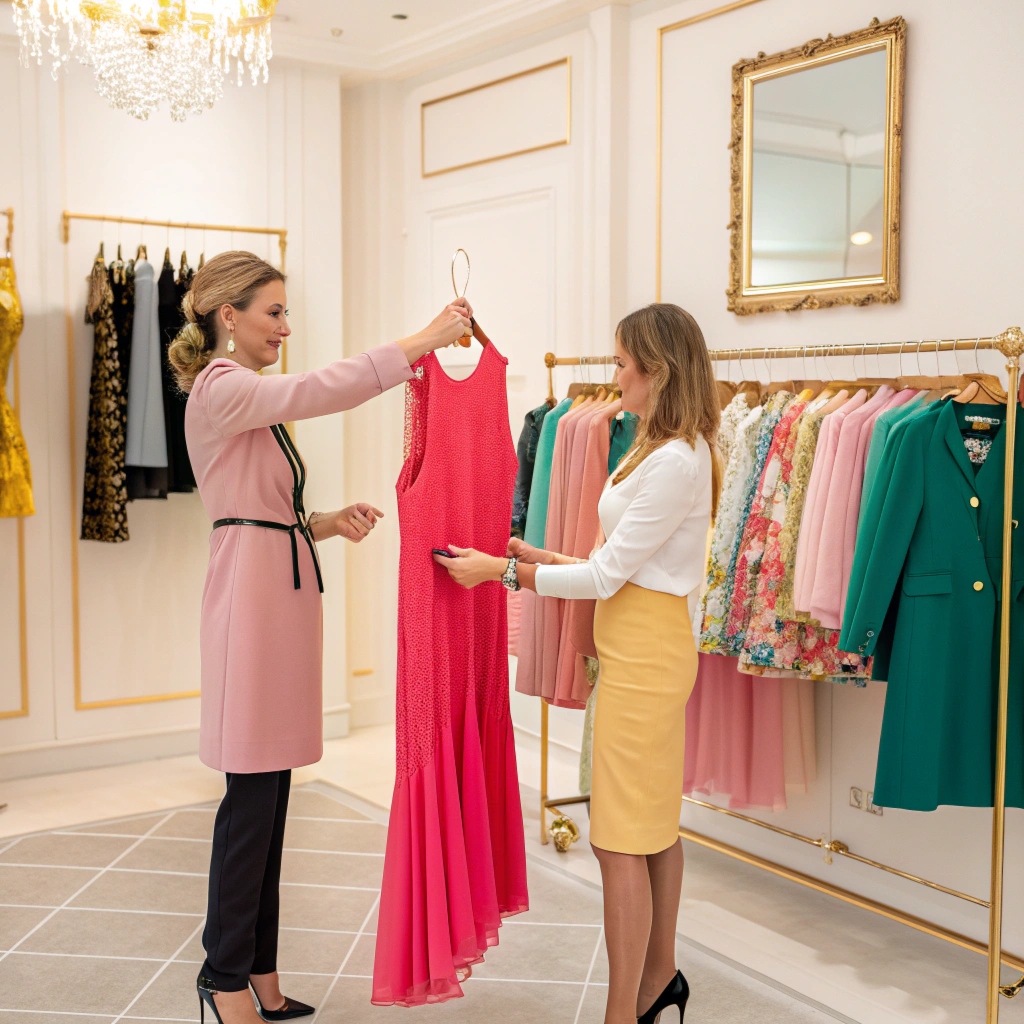
Functional Integration
Effective image planning integrates aesthetic considerations with practical requirements. Clothing must function within the contexts where it will be worn, addressing both visual and functional needs simultaneously.
The approach considers factors such as climate, activity level, maintenance requirements, and longevity expectations. These practical considerations inform aesthetic decisions, ensuring recommendations are both appropriate and sustainable.


Planning Process
Context Identification
Understanding the specific environments and situations where styling needs to function. This foundation informs all subsequent planning decisions.
System Development
Creating frameworks that accommodate identified contexts while maintaining overall wardrobe coherence. Systems provide structure for independent decision-making.
Implementation Guidance
Supporting clients as they apply established frameworks. Ongoing consultation ensures systems function effectively and adapt to evolving requirements.