Styling Approach
Systematic methodology for wardrobe coordination and personal styling. A structured approach to understanding fabric properties, color relationships, and contextual application.
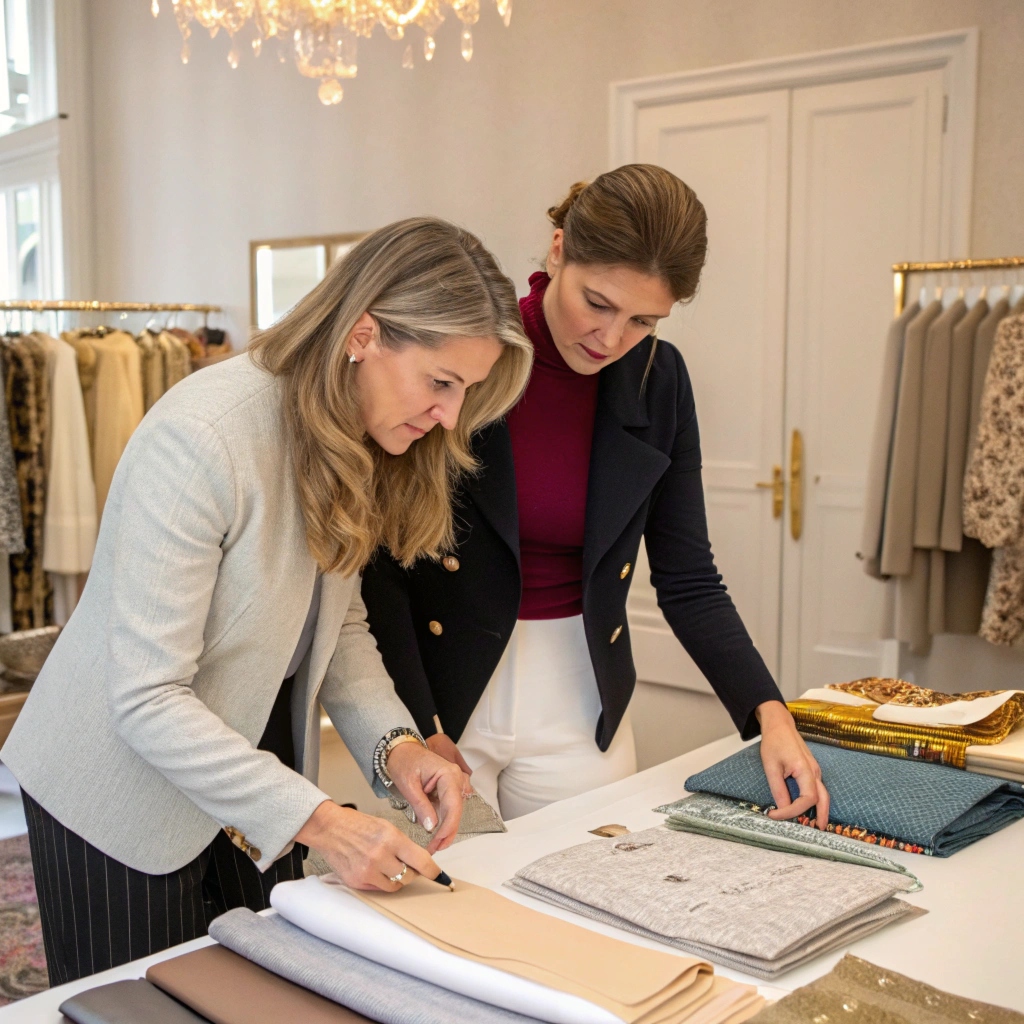
Methodology
The styling approach employed at Shythrelghunexar is systematic and analytical. Consultations begin with comprehensive wardrobe assessment, examining existing pieces for function, condition, and integration potential. This inventory serves as the foundation for all subsequent recommendations.
Each consultation session follows a structured format: assessment, analysis, and framework development. The process is collaborative, with clients providing context about their preferences, requirements, and constraints. This information informs the creation of personalized styling guidelines.
Fabric and Material Considerations
Understanding textile properties is fundamental to effective wardrobe coordination. Different fabrics behave differently in various contexts—some maintain structure under professional conditions, while others offer comfort for extended wear. Consultations include education on fabric characteristics, care requirements, and longevity expectations.
Material selection affects both aesthetic and functional outcomes. Natural fibers often provide superior breathability and durability, while synthetic blends may offer specific performance benefits. The approach considers these factors when recommending additions or replacements within a wardrobe.
Color Coordination Systems
Color relationships within a wardrobe determine versatility and coherence. The methodology establishes color palettes based on existing preferences and functional requirements. Rather than imposing external color theories, the approach works with colors that already resonate with the client.
Coordination principles include understanding how colors interact when combined, how they function across different lighting conditions, and how they contribute to overall wardrobe flexibility. The goal is creating a system where pieces can be combined in multiple ways while maintaining visual harmony.
Proportion and Silhouette
Proportion analysis examines how garments relate to the body and to each other. Consultations address fit, balance, and silhouette creation. The approach considers both individual garment fit and how pieces work together to create complete looks.
Silhouette planning involves understanding which shapes and proportions function best for specific contexts. Professional settings may require different silhouette approaches than casual environments. The methodology provides frameworks for making these distinctions.
Contextual Application
Styling recommendations are always contextual. What functions well in a corporate environment may differ from what works in creative industries or social settings. Consultations identify the specific contexts in which clients need to dress and develop appropriate approaches for each.
The methodology recognizes that most people navigate multiple contexts requiring different styling approaches. The framework accommodates this complexity by creating distinct systems for different situations while maintaining overall wardrobe coherence.
Implementation Process
Following initial consultation, clients receive written documentation of styling frameworks and guidelines. This material serves as a reference for independent decision-making. Follow-up sessions address questions, refine approaches, and adjust frameworks as needs evolve.
The process is designed to be educational rather than prescriptive. Clients learn principles they can apply independently, reducing reliance on ongoing consultation while maintaining access to support when needed.
Textile Evaluation
Comprehensive analysis of fabric properties includes assessment of drape, weight, texture, and maintenance requirements. Understanding these characteristics informs recommendations for both individual garments and wardrobe coordination.
Consultation Timeline
Initial Assessment
Comprehensive wardrobe review and client preference discussion. This foundation phase establishes understanding of current practices and objectives.
Framework Development
Creation of personalized styling systems based on assessment findings. These frameworks provide structured approaches for independent application.
Implementation Support
Ongoing guidance as clients apply established frameworks. Follow-up sessions address questions and refine approaches as understanding deepens.
"Systematic styling approaches create sustainable frameworks for independent decision-making, reducing reliance on external guidance while maintaining access to professional support."